THE FASCIST TIMES
A Watchdog for Democratic Backsliding
Issue No. 1
Weekly Edition
22 Jan 2026
THIS WEEK
A Democracy Under Strain
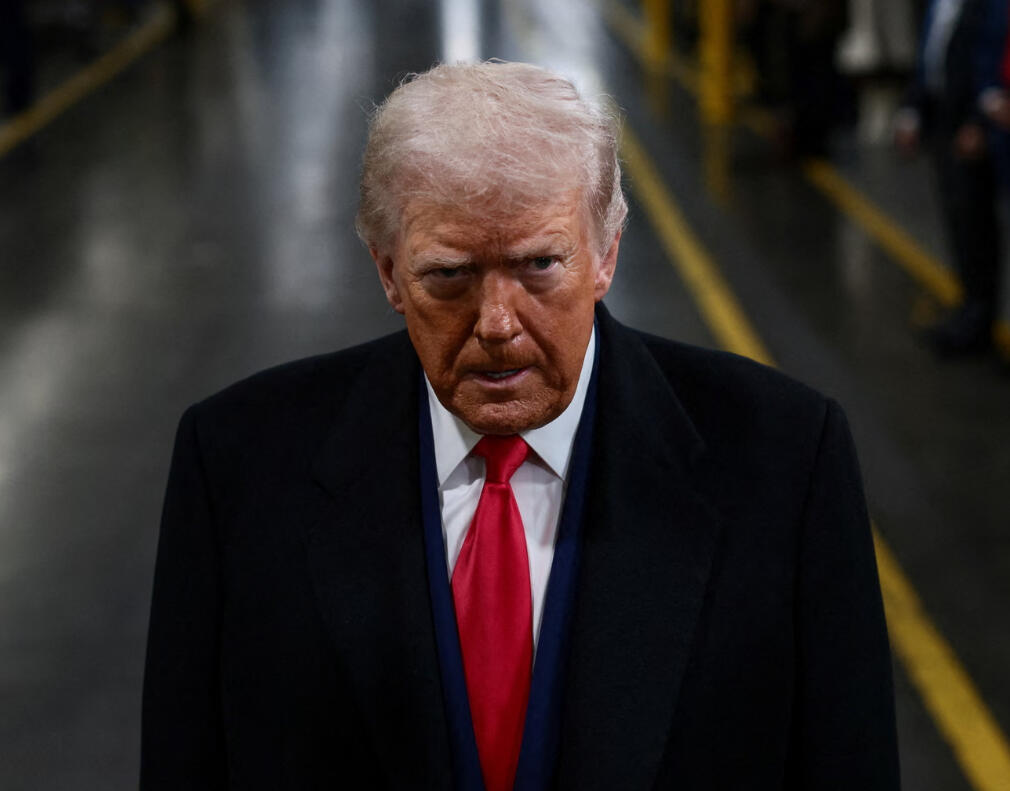
Experts warn that one year into Trump’s second term, the United States is drifting toward competitive authoritarianism.
A major international democracy assessment warns that the United States has experienced a marked decline in democratic health during the first year of Donald Trump’s second term, citing growing executive power, sustained attacks on dissent, and weakened institutional checks. The report places the U.S. closer to what political scientists describe as competitive authoritarianism: a system where elections continue, but the playing field increasingly favours those in power.According to the analysis, pressures on the judiciary, repeated challenges to the legitimacy of independent media, and the politicisation of federal institutions have contributed to a measurable erosion of democratic norms. While Congress, courts, and civil society organisations continue to resist many executive actions, researchers note that these counterweights are under greater strain than a year ago, and less effective at constraining power.The report stops short of describing the United States as an authoritarian state, but emphasises that democratic backsliding often occurs incrementally rather than through sudden collapse. Scholars warn that normalising attacks on institutional oversight and political opposition can entrench long-term damage even when formal democratic structures remain intact.
THE BRIEFS
Coercion and Compromise Over Greenland
Gregory Bovino’s repeated choice of militaristic attire draws renewed scrutiny during immigration operations.
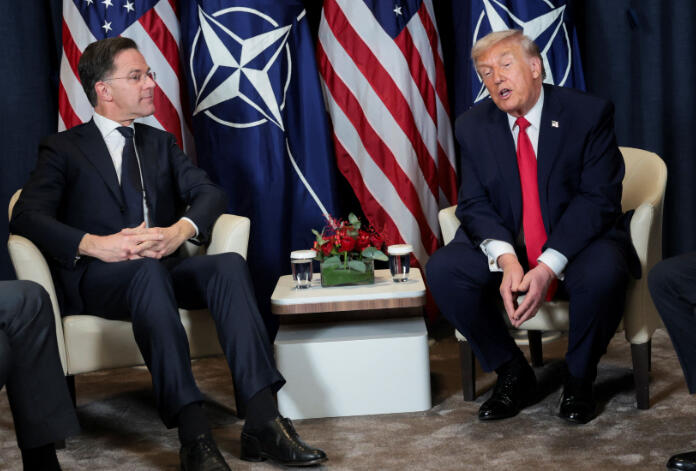
U.S. President Donald Trump escalated pressure on Denmark and NATO partners in January by threatening 10 % tariffs on eight European countries unless Greenland’s status was renegotiated to favour U.S. interests, calling the island vital to national security. European leaders condemned the move as wrong and warned of a damaging trade war. The European Parliament paused work on a key U.S.–EU trade deal. Although Trump later dropped the tariffs and proposed a NATO framework, critics see a pattern of transactional diplomacy overriding democratic norms.
Repression as Regime Survival
Iran’s Islamic Republic doubles down on brutal crackdowns, linking dissent to external enemies and survival of the regime.
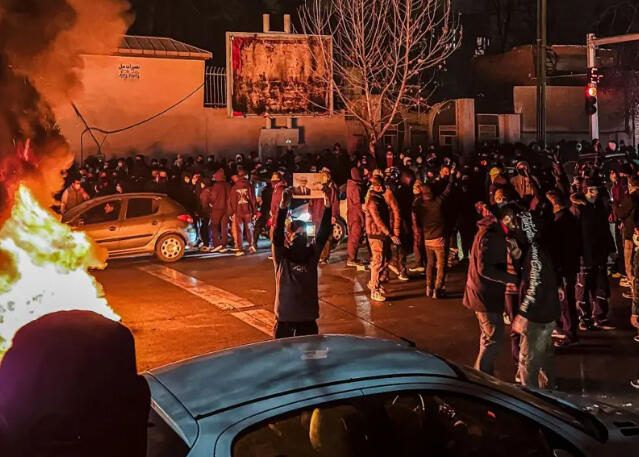
Widespread protests against economic hardship have met a violent response from security forces, with authorities warning of “decisive punishment” and portraying demonstrators as hostile agents amid internet blackouts and propaganda efforts. Independent reporting describes thousands killed, arrests numbering in the tens of thousands, and a government narrative framing dissent as a threat to national order rather than genuine political expression.
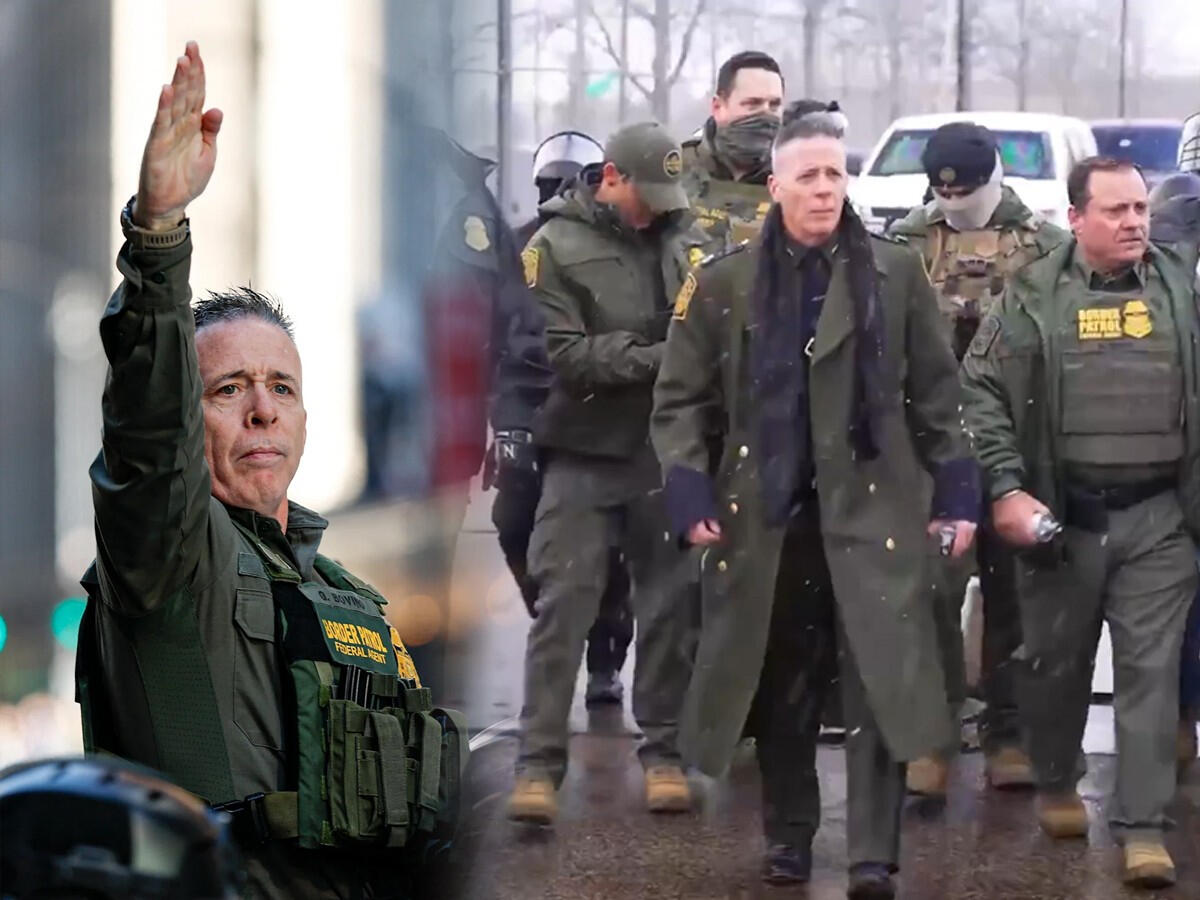
Authoritarian Aesthetics, Again
Gregory Bovino’s repeated choice of militaristic attire draws renewed scrutiny during immigration operations.
Border Patrol commander Gregory Bovino, a senior Customs and Border Protection official, has again sparked backlash after recent footage showed him wearing a long trench-style coat during enforcement actions, prompting comparisons to authoritarian and Nazi-era aesthetics. Critics note this is not the first time Bovino’s distinctive attire has drawn attention, raising concerns about the optics of coercive state power at a moment of intensified immigration enforcement.
Manufacturing Authority Online
Study shows far-right Russian Telegram channels reinforcing autocratic legitimacy through propaganda.
A new academic study finds that far-right Russian Telegram networks actively construct authoritarian identity by portraying leaders as heroic defenders of the nation while framing opponents as weak, corrupt, or traitorous. Researchers argue this real-time propaganda ecosystem fuses ultranationalism with autocratic legitimacy, helping normalise authoritarian rule through persistent online messaging rather than isolated disinformation campaigns.